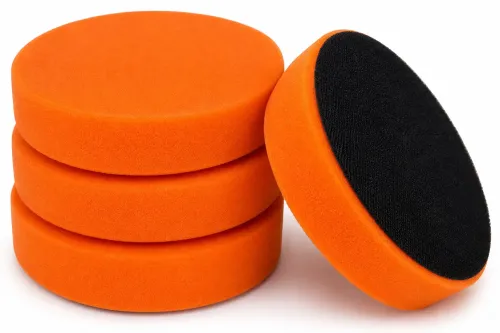
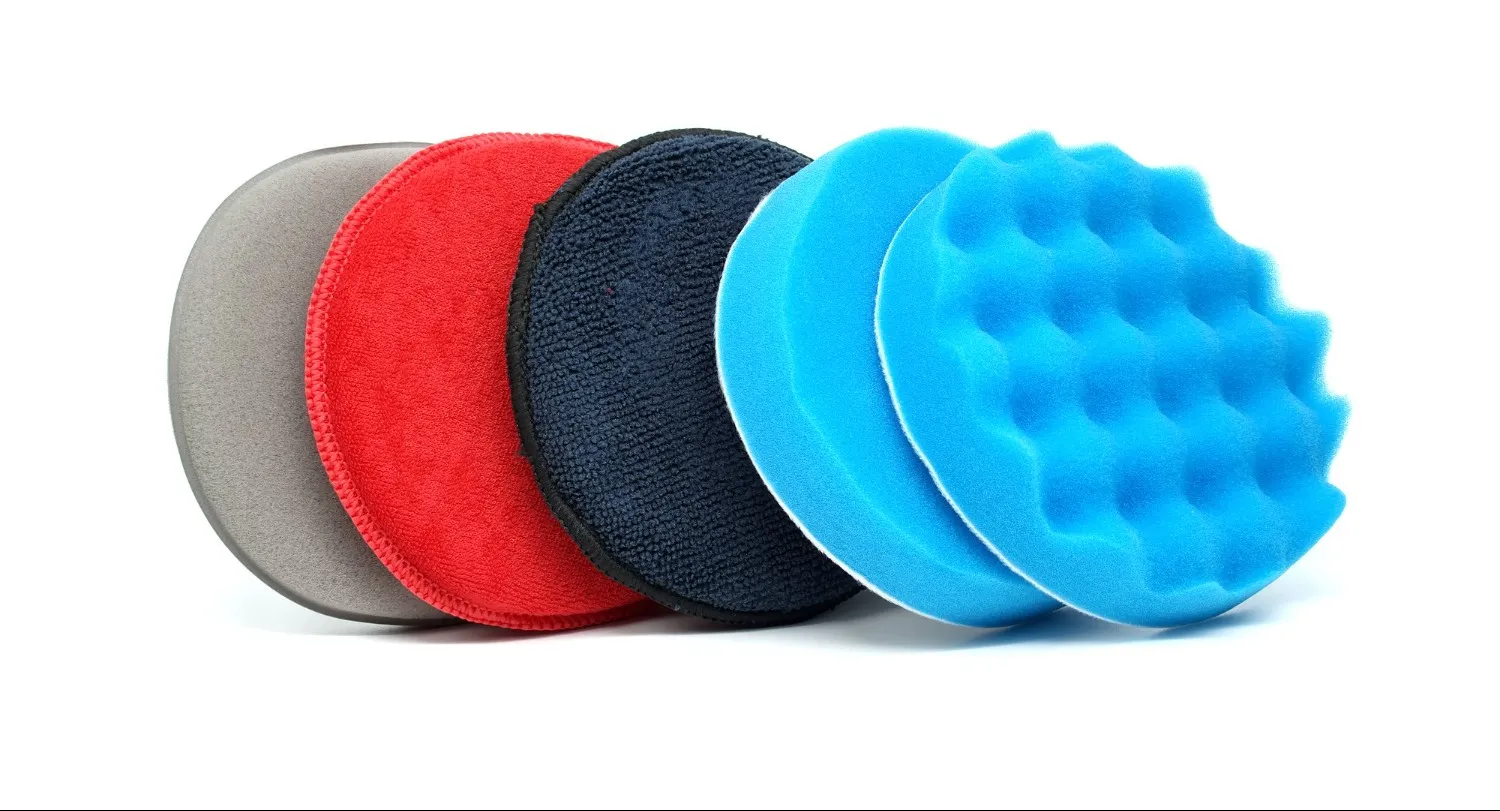
Polishing results depend on more than the machine or compound. The pad is the working interface between the polisher and the paint, which makes Menzaro Polishing Pads an important consideration when planning a paint-correction process.
Different pads can provide different levels of cutting, polishing, and finishing performance. Choosing one without assessing the paint condition can result in excessive correction, insufficient defect removal, or an unsatisfactory finish.
The process should begin with paint inspection. Technicians need to understand whether they are dealing with light wash marks, oxidation, moderate scratches, sanding marks, or relatively healthy paint that needs only refinement. Paint hardness and previous bodywork can also affect how a pad and compound combination behaves.
Rather than immediately selecting the most aggressive setup, experienced detailers commonly perform a test section. Starting with a less aggressive combination and evaluating the result can reveal whether additional correction is actually necessary.
Pad selection should account for:
- Desired correction level
- Paint condition
- Compound or polish being used
- Machine type
- Panel shape
- Working temperature
- Required finishing quality
Pad cleanliness has a major influence on consistency. During polishing, pads collect spent compound, removed paint residue, and contamination. Continuing to work with an overloaded pad can reduce performance and affect finishing. Professionals should clean or replace pads as necessary during longer correction jobs.
Using multiple pads during a full-vehicle correction is therefore normal rather than wasteful. The exact quantity depends on vehicle size, paint condition, correction intensity, and the type of pad being used.
Heat management matters as well. Excessive pressure, prolonged polishing in one area, inappropriate speed, or a saturated pad can generate unwanted heat. Good technique involves controlled machine movement, regular inspection, and awareness of panel conditions.
Coimbatore's detailing market includes customers seeking everything from basic gloss enhancement to more involved paint correction before ceramic coating or PPF installation. A detailing studio needs pad options that allow technicians to adapt instead of forcing every vehicle through the same polishing process.
Elite Car Spa Equipments can support professional detailers evaluating consumables and equipment for structured paint-care services. The real value, however, comes from matching the pad, abrasive product, machine, and technique correctly.
For professionals in Coimbatore, Tamil Nadu, polishing pads should be treated as part of a complete correction system. Careful testing, clean pads, measured technique, and appropriate product combinations usually deliver more predictable results than simply choosing the most aggressive pad available.
Keywords