A blue-black colourway does not tell you whether a small brush is safe for seat fabric, effective in seams or durable under workshop chemicals. By the end, you will know which dimensions, bristle specifications, handling tests and supplier terms to check before approving one for vehicle interiors.
Key takeaways
- Specify head, bristle, handle, and overall dimensions before ordering.
- Use soft bristles on fabric and firmer bristles on rubber mats.
- Remove grit before brushing to prevent abrasion and soil transfer.
- Run a repeat-use sample test before approving a workshop order.
Define the brush by its working dimensions, not its colour
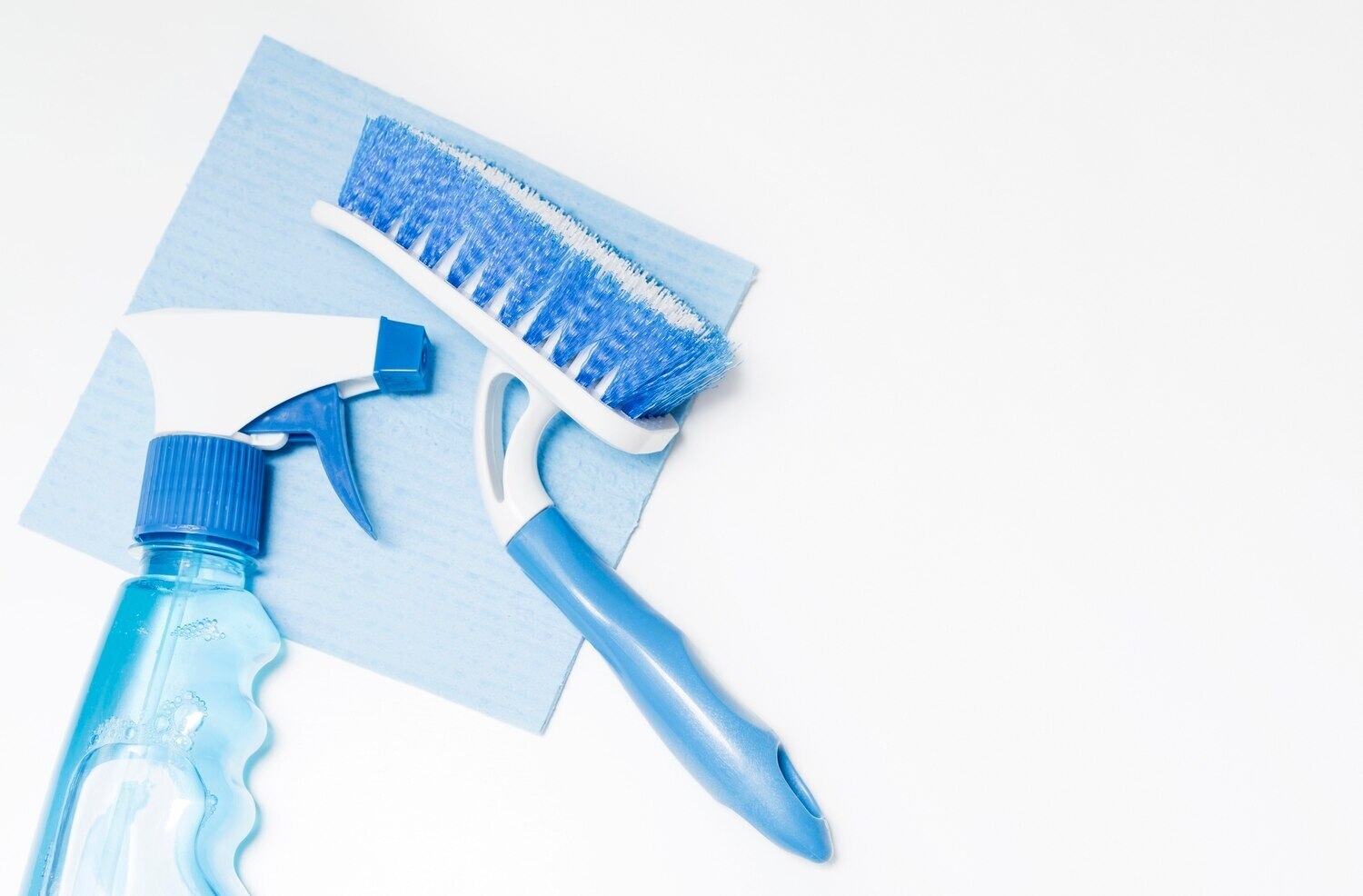
A compact upholstery brush is defined by reach and contact area, not by its blue-black finish. For a blue black small upholstery for cleaning brush in coimbatore, specify the head length and width, bristle length, handle length, overall length, and weight.
These dimensions tell you whether the brush can enter seat seams and door pockets without becoming awkward on larger fabric panels.
Ask for a head narrow enough for bolsters and stitching channels, but broad enough to cover a seat section efficiently. Request a drawing or measured sample rather than relying on “small” or “compact”; those descriptions do not reveal whether the head is 50 mm or 100 mm wide.
Your specification should also state bristle material, stiffness, density, and tip finish. Flagged or split tips reduce snagging on woven fabric, while unflagged tips deliver more aggressive agitation on rubber mats and hard-wearing cloth. Confirm that the handle will resist the upholstery cleaner, interior disinfectant and rinse water used in your process.
A small upholstery cleaning brush in coimbatore should be identified as an agitation tool for fabric, seams and bolsters, not as a replacement for vacuuming, extraction or stain-treatment chemistry. Ask for a clear photograph showing which section is intended for upholstery and whether any hard section is meant for floors or mats.
Keep colour coding separate from performance: blue-black does not prove surface safety.
Match bristle stiffness to the interior surface
Soft, flagged nylon or horsehair bristles suit delicate woven upholstery, headliners and lightly soiled surfaces; medium nylon or polyester suits durable cloth; firm polypropylene or nylon suits rubber mats and heavily soiled seams. A single stiffness is a compromise, not a universal solution.
| Bristle option | Stiffness | Suitable surfaces and use |
|---|---|---|
| Soft flagged nylon or horsehair | Soft | Headliners, fine woven fabric, leatherette texture and light dust; reduces fuzzing and pile distortion |
| Fine nylon or polyester | Medium | Cloth seats, door panels, bolsters and ordinary seam agitation; the practical general-purpose choice |
| Polypropylene or dense nylon | Firm | Rubber mats, textured plastic, vinyl grooves and heavily soiled cloth seams; avoid delicate fabric |
| Unflagged hard nylon | Very firm | Floor mats and robust rubber only; it can scratch trim, flatten fabric pile or pull loose threads |
For a car interior cleaning brush in coimbatore, specify the bristle material, stiffness, trim length and density rather than accepting “blue-black” as a performance description. Blue-black identifies the colourway only. Ask for compatibility with your actual alkaline cleaner, diluted detergent, disinfectant or solvent-containing dressing; repeated exposure can swell, soften or embrittle bristles.
Before production use, apply the chosen chemical to a concealed area and agitate with the proposed brush. Reject the combination if it causes dye transfer, colour change, fuzzing, pile distortion, coating damage or visible bristle shedding. Use softer, flagged tips wherever the fabric’s finish matters more than aggressive soil removal.
Use the brush without spreading grit or damaging fabric
Vacuum loose grit before wetting the surface. A small upholstery cleaning brush in Coimbatore is an agitation tool, not a replacement for vacuuming, extraction or stain-treatment chemistry; brushing dry dirt into damp fabric can spread soil and create abrasion.
- Vacuum the seat or panel, including the stitching channel, to remove sand and loose particles.
- Apply the approved cleaner to a hidden test area or to the brush, following the chemical maker’s dilution instructions.
- Work in sections no larger than you can rinse or wipe promptly. Use short strokes in one direction, following the fabric weave rather than scrubbing randomly.
- Apply light pressure: let the bristle tips flex into the surface without flattening the bundle or forcing the head against the backing.
- Use short, controlled strokes along seams and narrow bolsters. Do not drive the brush point into stitching, piping or a gap where grit can be trapped.
- Wipe or extract loosened residue, rinse the brush between dirty sections, and dry the fabric with airflow before judging the result.
Use the softest brush that removes the soil. On delicate woven cloth or a headliner, stop if fibres lift, fuzzing appears or colour transfers to a white cloth.
Firmer synthetic bristles suit durable cloth, rubber mats and heavily soiled seams, but keep the ferrule away from plastic and leather trim; a sharp edge can scratch it.
Approve a supplier sample with a repeat-use test
Approve it only after a concealed-area check and repeated production simulation, not from a clean-looking sample. Mark representative seat fabric, a seam, a bolster and a door-pocket material; vacuum grit, apply the site’s diluted cleaner, agitate, then wipe or extract and dry.
Run 10 wet-and-dry cycles with the same pressure and stroke pattern your technicians use. Test every chemical used on site:
- Alkaline cleaner
- Diluted detergent
- Disinfectant
- Solvent-containing dressing
Water survival proves little. Chemicals can soften, swell or embrittle bristles and loosen the handle.
Record the following after each cycle:
- Cleaning consistency: the same soil load should lift without increasing pressure.
- Bristle condition: count visible shedding, inspect the trim profile and pull several tufts by hand.
- Construction: check handle movement, head separation, grip damage and weight change.
- Surface safety: inspect for dye transfer, colour change, fuzzing, pile distortion, coating damage and embedded bristles.
Reject the sample if it sheds fibres, transfers blue or black colour, roughens fabric, loosens at the head or needs progressively harder pressure. Keep photographs and the test fabric with the approval record.
Send those results to an upholstery brush supplier in Coimbatore and request a matching production sample. A car interior cleaning brush in Coimbatore is not approved until its recorded dimensions, bristle grade, fill density and repeat-use performance match the tested sample.
Compare local supply terms before placing a workshop order
Ask an upholstery brush supplier in coimbatore to quote the brush as a process tool, not simply as a blue-and-black item. The blue black small upholstery for cleaning brush in coimbatore is an agitation tool; it does not replace vacuuming, extraction or stain-treatment chemistry.
Request these details in writing:
- Unit price, whether sold singly or by pack, minimum order quantity, and GST invoice availability.
- Overall length, head width and thickness, bristle trim length, bristle material, stiffness, diameter or grade, fill density, handle material and weight.
- Separate prices for soft bristles and firmer synthetic bristles, plus replacement availability and chemical-resistance information.
- Pre-purchase sample terms, delivery lead time to your Coimbatore workshop, freight charges and the process for reporting loose bristles or damaged handles.
Compare the commercial terms before choosing the lowest unit price.
| Term | Evaluation sample | Production order |
|---|---|---|
| Quantity | One or two pieces for fabric testing | Pack size, MOQ and repeat-pack price |
| Performance | Test on your upholstery, seams and headliner | Confirm the approved stiffness and dimensions |
| Supply | Stated dispatch date and sample charge | Lead time, replacement stock and freight |
| Documentation | GST invoice and written specifications | Same specification attached to the purchase order |
Elite Car Spa Equipments can be asked to record the approved sample’s dimensions and bristle behaviour on the purchase order, preventing a visually similar but harsher brush from arriving later.
Related products
 | CARCAREBRUSH BLUE BLACK SMALL UPHOLSTERY BRUSH ₹224 Unlike a broom, which has soft bristles to sweep dirt away, a scrubber has hard bristles for brushing. View product → |
 | CARCAREBRUSH BLUE BLACK SMALL UPHOLSTERY CLEANING BRUSH ₹224 Special white bristles removes tough stains from Upholstery. White bristles soft on Upholstery. Brushtile hard is good to scrub floor. View product → |
Frequently asked questions
How should you define a small upholstery cleaning brush?
Specify the head length and width, bristle length, handle length, overall length, and weight. These dimensions determine reach, contact area, control, and storage needs more reliably than colour.
Which bristle stiffness suits car interiors?
Use soft, flexible bristles for fabric, Alcantara-style materials, headliners, and delicate trim. Use medium bristles for durable cloth and textured plastics, and reserve firm bristles for rubber mats or heavily textured surfaces.
How do you use an upholstery brush without damaging fabric?
Vacuum loose grit first, apply cleaner to the cloth rather than flooding the panel, work in small sections, and brush with light overlapping strokes. Test an unseen area before full use.
What should you test in a supplier sample?
Check bristle shedding, handle comfort, head attachment, cleaning performance, fabric snagging, colour transfer, and deformation after repeated wet and dry use.
What supply terms should you compare among Coimbatore suppliers?
Compare sample availability, minimum order quantity, unit price, GST invoice, delivery time, replacement terms, packaging, payment terms, and whether the supplier can repeat the approved specification.
Keywords